
Automatic Doors
Automatic doors thatkeep moving, inPeterborough and London
Supply, installation, repair and planned maintenance of automatic entrance doors for commercial, retail, healthcare and industrial premises. One team from first survey through to the years of servicing that follow.
- Free site survey and quote
- 12-month warranty on installs and repairs
- Specialists in Geze, Record, Dormakaba, Assa Abloy
7 years
Trading as Argents Installations Ltd
60+ years
Combined engineer trade experience
12 months
Warranty on all installations and repairs
£10m
Public and employers liability cover
Recent work
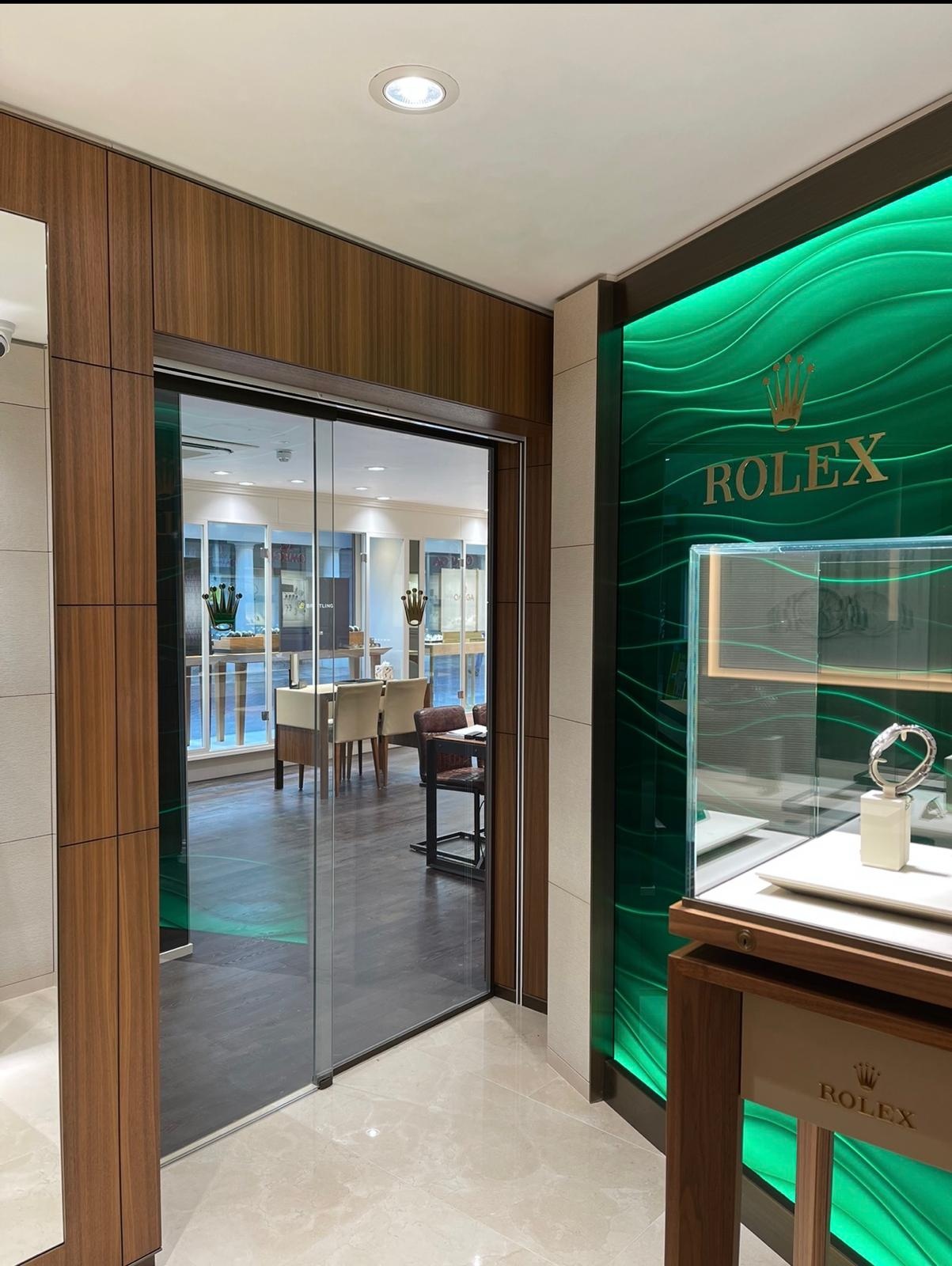
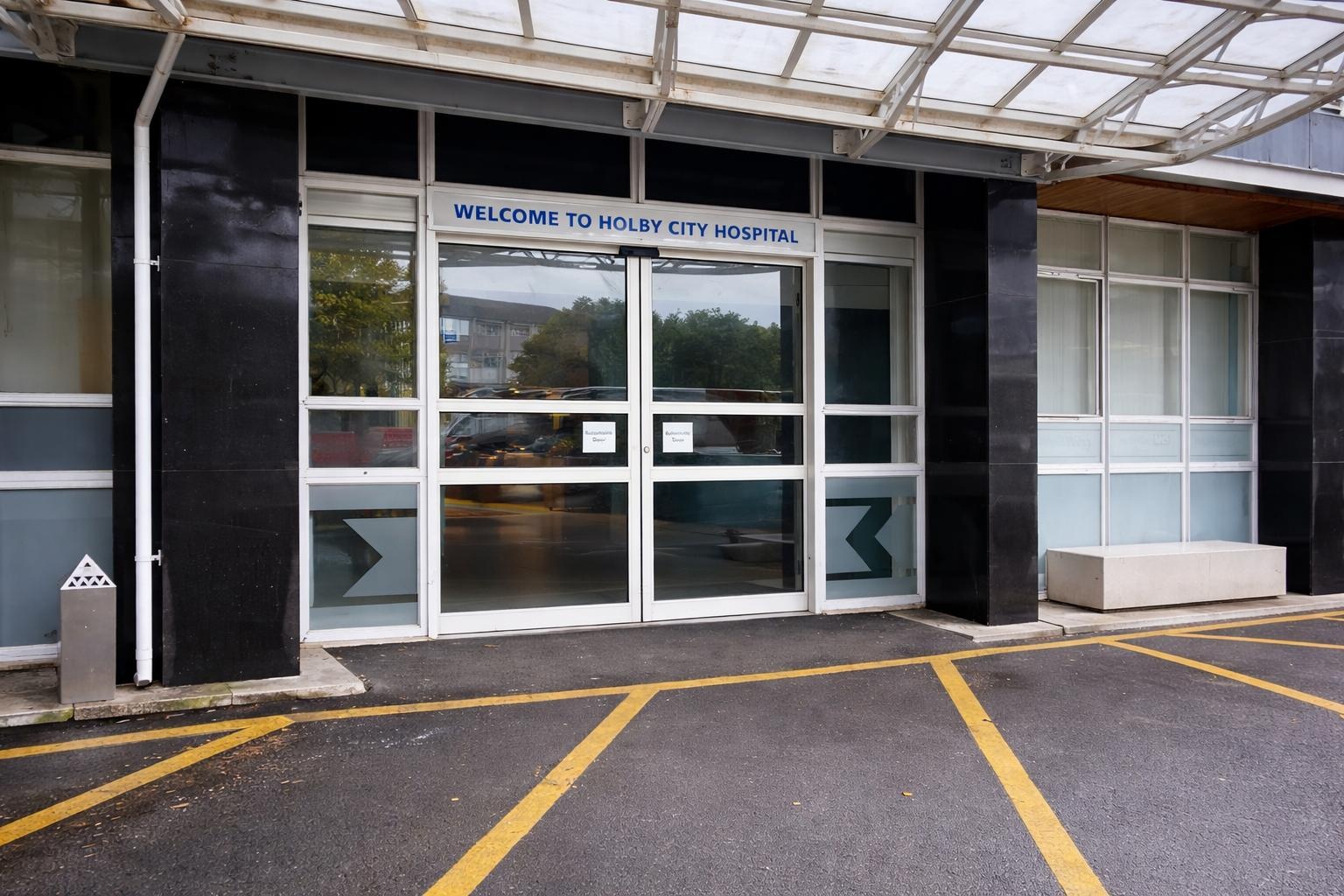
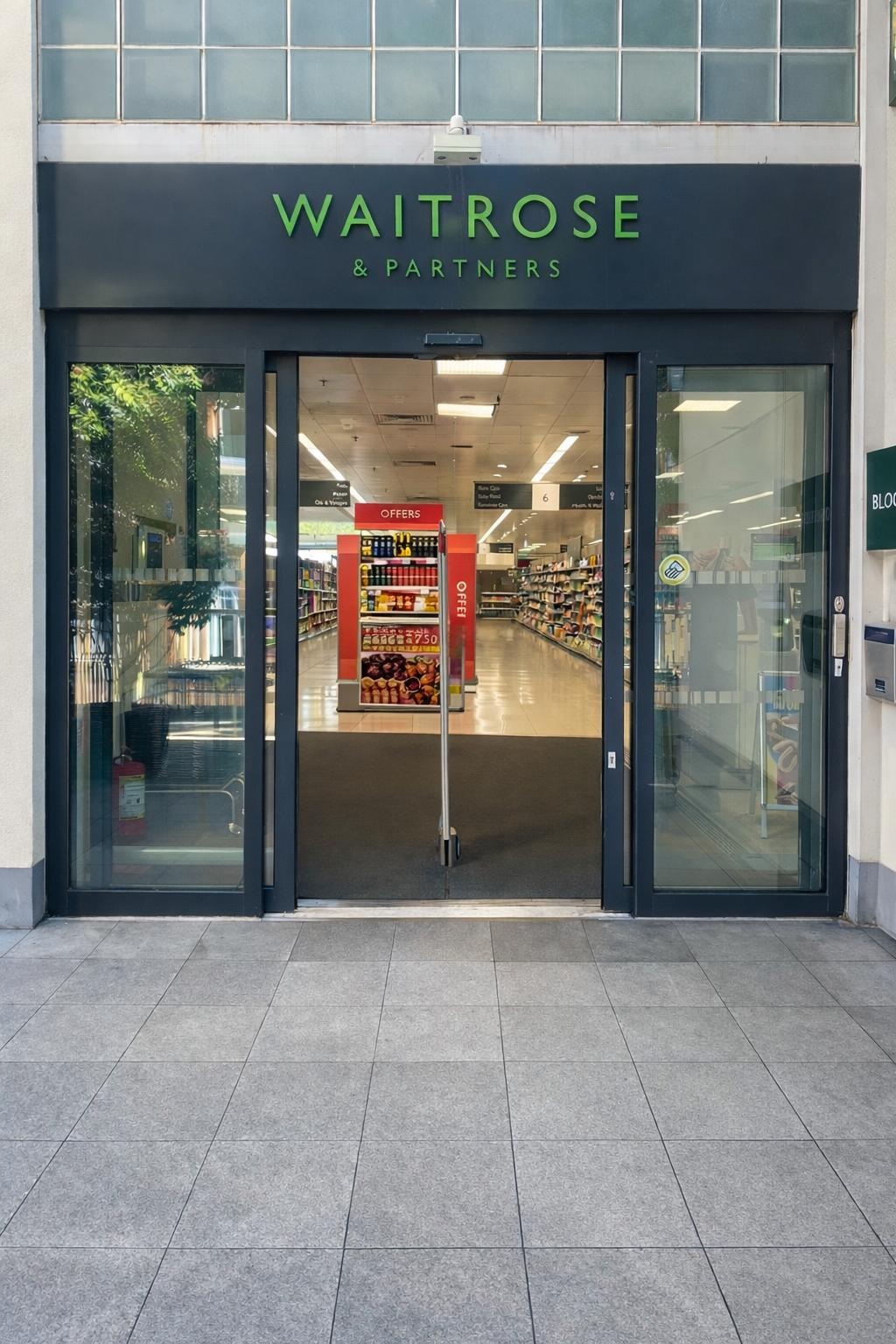
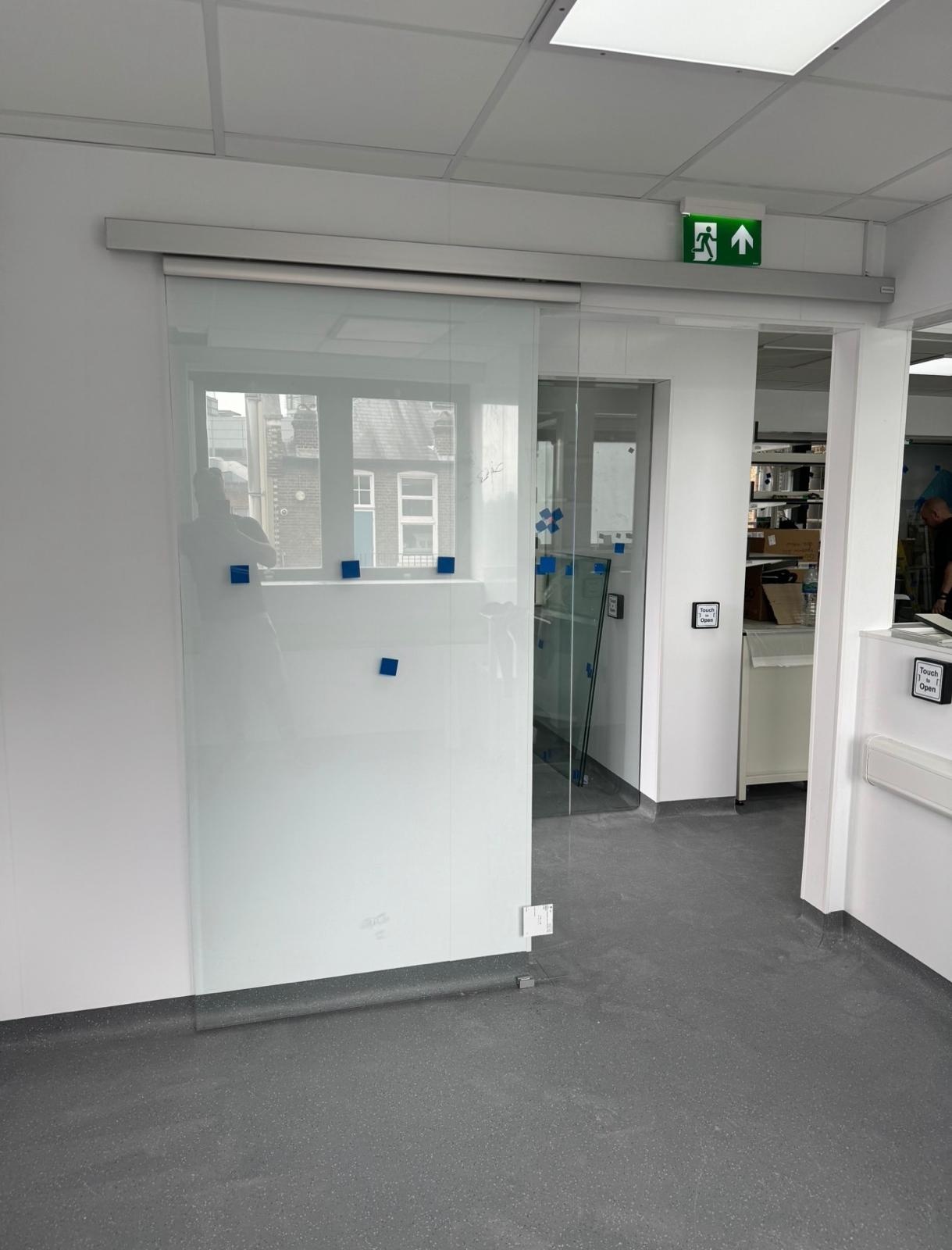
Automatic Doors we have installed and serviced
The service
Automatic doors, supplied, fitted and kept running
An automatic door is the first thing a customer, patient or visitor touches when they arrive at your building, and the first thing they notice when it does not work properly. We supply, install, repair and maintain automatic entrance systems across Peterborough, London and the surrounding counties, working on sliding, swing, telescopic and curved automatic doors for sites ranging from small retail units to large healthcare and logistics buildings.
As a family-run business with over 60 years of combined engineer trade experience between the team, we have worked on automatic doors from every major manufacturer, and we specialise in Geze, Record, Dormakaba and Assa Abloy systems in particular. That means when something goes wrong we usually recognise the fault pattern immediately, rather than treating your building as a guinea pig while we work it out.
Every job starts with a free site survey, whether that is for a brand new installation, a replacement of a tired existing system, or a call-out repair. We look at footfall, door width, fire strategy, accessibility requirements and the building's existing infrastructure before recommending anything, and we never quote blind over the phone.
Once a door is installed we do not disappear. Planned maintenance contracts are available for any automatic door we work on, with regular servicing designed to catch wear before it becomes a breakdown, alongside a 12-month warranty on the installation itself and on any repair work carried out.
Retail and hospitality
Shop fronts, restaurants and leisure venues where a smooth, reliable entrance matters for both first impressions and footfall throughout the day.
Healthcare and care settings
Hospitals, surgeries and care homes where accessible, low-effort entry is not optional and downtime has a direct impact on patients and staff.
Commercial and industrial sites
Offices, warehouses and distribution centres needing durable automatic doors that stand up to frequent use, weather exposure and higher security demands.
What it costs to leave it
What a faulty automatic door actually costs you
An automatic door that sticks, closes too early, or fails to open is rarely just an inconvenience. It creates real operational, safety and compliance problems that tend to get worse the longer they are left.
Accessibility and compliance exposure
A door that does not open reliably or fully can leave you in breach of accessibility obligations, particularly on public-facing buildings, and creates a genuine barrier for wheelchair users, parents with buggies and elderly visitors.
Safety incidents
Sensors that are out of alignment or worn mechanisms that close too fast are a trapping and impact hazard, and are one of the most common reasons we are called out urgently to a site.
Wasted energy and higher bills
A door that will not fully close, or that opens more than it needs to, lets heating or cooling escape constantly, which adds up quickly on larger commercial buildings.
Mistakes we get called out to fix
- Leaving a fault-flagging automatic door running in manual override for months rather than getting it looked at.
- Ignoring unusual noises from the header box until the motor fails completely.
- Ad-hoc repairs from unfamiliar contractors who do not know the specific brand's control logic.
- No planned maintenance in place, so wear is only found once the door has already stopped.
- Sensors left uncleaned and unaligned, causing false triggers or missed detections.
- Assuming a self-closing fire-rated automatic door does not need the same servicing rigour as a standard one.
Our process
How an automatic door project runs, start to finish
Step 1
Enquiry and survey
You get in touch, we arrange a free site visit to assess the opening, existing infrastructure, footfall and any fire or accessibility requirements.
Step 2
Quote and specification
We put together a clear, written quote covering the door type, brand, and any structural or electrical work needed, with no pricing given blind before we have seen the site.
Step 3
Installation or repair
Our CSCS card holding engineers carry out the work, whether that is a full new installation, replacement of a failing system, or a targeted repair.
Step 4
Testing and handover
Every door is tested through its full operating cycle, including sensors, safety edges and fire integration, before we hand the site back to you.
Step 5
Ongoing servicing
We offer planned maintenance contracts so the door is checked regularly, with any wear caught and dealt with before it turns into a breakdown.
What you get
What you get working with us
Free, no-obligation survey
Every project starts with a proper look at the site, not a price plucked from a phone call.
12-month warranty
Cover on both new installations and repair work, so you are not exposed straight after we leave.
£10m insurance cover
£10,000,000 public liability and £10,000,000 employers liability on every job we carry out.
Accredited engineers
SafeContractor, ADSA, BM TRADA / FIRAS and IPAF accreditations, with CSCS card holding engineers and RAMS available on request.
Multi-brand expertise
Specialists in Geze, Record, Dormakaba and Assa Abloy, and experienced across other manufacturers too.
Nationwide reach
Based in Peterborough and London and working across Cambridgeshire, Bedford, Leicester, Milton Keynes, Northampton, Hemel Hempstead, Watford and beyond.
In detail
Automatic doors in detail
There is more variation in automatic door systems than most building managers realise, and the right choice depends heavily on the opening, the footfall and the building's fire strategy.
Sliding, swing and telescopic systems
Sliding automatic doors are the most common commercial option, suited to high footfall entrances where a wide, unobstructed opening is needed without doors swinging into a lobby or pavement. Telescopic sliding doors take this further, stacking leaves to give a much wider clear opening for the same header length, which is useful where the full width of an opening needs to be usable, such as loading areas or busy retail entrances.
Automatic swing doors suit narrower openings or situations where a hinged door already exists and needs converting to power-assisted operation, which is a common accessibility upgrade for older buildings. Curved sliding doors are used where architectural glazing or a rounded entrance lobby calls for a bespoke shape, and these tend to be a more specialist installation requiring closer coordination with the building's structural openings.
Materials and glazing
Most automatic door frames are aluminium, chosen for its strength-to-weight ratio and resistance to corrosion, and can be powder-coated to match a building's branding or existing shopfront colour scheme. Glazing options range from standard toughened glass through to fire-rated glazing where the opening forms part of a fire compartment line, and acoustic or solar-control glass for buildings with specific thermal or noise requirements.
Threshold and floor track specification matters more than people expect. Heavy footfall entrances need a robust, low-maintenance track system, while healthcare and food environments often need flush thresholds for trolley and wheelchair access, which changes how the door is set into the floor during installation.
Control systems and sensors
The header box houses the motor, control board and safety logic, and this is where the difference between brands is most noticeable. Geze, Record, Dormakaba and Assa Abloy each use their own control software and diagnostic approach, which is why brand familiarity genuinely speeds up both installation and fault-finding rather than being a marketing point.
Activation sensors, safety sensors on the leading and trailing edges, and any integration with access control or fire alarm systems all need to be commissioned together, not treated as separate systems bolted on afterwards. A door that opens correctly but is not properly integrated with the fire alarm can fail to go into fail-safe mode during an evacuation, which is a serious risk that is entirely avoidable with correct commissioning.
Commercial versus residential and specialist applications
Commercial automatic doors are built for far higher cycle counts than a domestic system would ever see, often tens of thousands of openings a month on a busy retail unit, which means components are specified differently and servicing intervals need to be shorter. Residential and low-footfall commercial automatic doors can run to a lighter specification and longer service gaps without the same wear pressure.
Specialist applications, such as automatic doors integrated into fire compartment lines, cleanroom environments, or cold storage entrances, bring additional requirements around sealing, self-closing behaviour and hold-open device integration. We handle these as a matter of course, but they are exactly the sort of installation where a proper survey before quoting genuinely changes the specification.
Maintenance and lifespan
A well-installed and properly maintained automatic door commonly lasts well over a decade, but that lifespan depends heavily on servicing. Motors, belts, rollers and sensors all wear with cycle count, and planned maintenance is designed to replace or adjust these components before they cause an unplanned closure of your entrance.
We offer planned maintenance contracts on any automatic door we install or take on, regardless of brand, with visits scheduled to suit the building's usage pattern rather than a generic annual tick-box visit.
Common questions
Automatic Doors: your questions answered
Anything not covered here, ask us directly; you'll speak to someone who knows the job, not a script.
08000 141 911How much does an automatic door installation cost?
It depends entirely on the opening, door type and any structural or fire integration work needed, so we do not quote blind. Every job starts with a free site survey, after which we provide a clear written quote.
How long does an automatic door installation take?
A straightforward replacement of an existing automatic door can often be completed in a day, while a new opening or a more complex fire-integrated installation will take longer. We confirm timescales as part of the free survey.
Do you work on all automatic door brands?
Yes. We specialise in Geze, Record, Dormakaba and Assa Abloy, but our engineers work across all major brands, so switching to us does not mean replacing a perfectly good existing system.
What warranty do you offer on automatic doors?
All our installations and repairs come with a 12-month warranty as standard.
Do you offer out-of-hours repairs?
We have an out-of-hours phone arrangement in place for existing and commercial customers. Get in touch to discuss what cover suits your building.
How often should an automatic door be serviced?
This depends on footfall and building type, but we recommend a planned maintenance contract for any commercial automatic door, with visit frequency agreed based on how heavily the door is used.
Can you convert an existing manual door to automatic?
In many cases, yes. Existing swing doors are often good candidates for conversion to power-assisted automatic operation, which is a common accessibility improvement. A survey will confirm suitability.
How long does an automatic door last?
With correct installation and regular servicing, a commercial automatic door commonly runs well over a decade before major components need replacing.
Do you cover fire-rated automatic doors?
Yes, we install and maintain automatic doors that form part of a fire compartment line, with correct integration into the building's fire alarm and hold-open systems.
Do you work outside Peterborough and London?
Yes, alongside our base in Peterborough and London we regularly cover Cambridgeshire, Bedford, Leicester, Milton Keynes, Northampton, Hemel Hempstead and Watford, and we work nationwide.
Related services
Often needed alongside automatic doors
Where we work
Automatic Doors across our regular patch
Based in Peterborough and London, working nationwide; location is never a barrier to getting the right engineer on site.
Get a free automatic door survey
Whether it is a new installation, a repair, or a maintenance contract, tell us what you need and we will arrange a free site survey with no obligation.
- Free survey and quote
- 12-month warranty
- £10m public & employers liability