
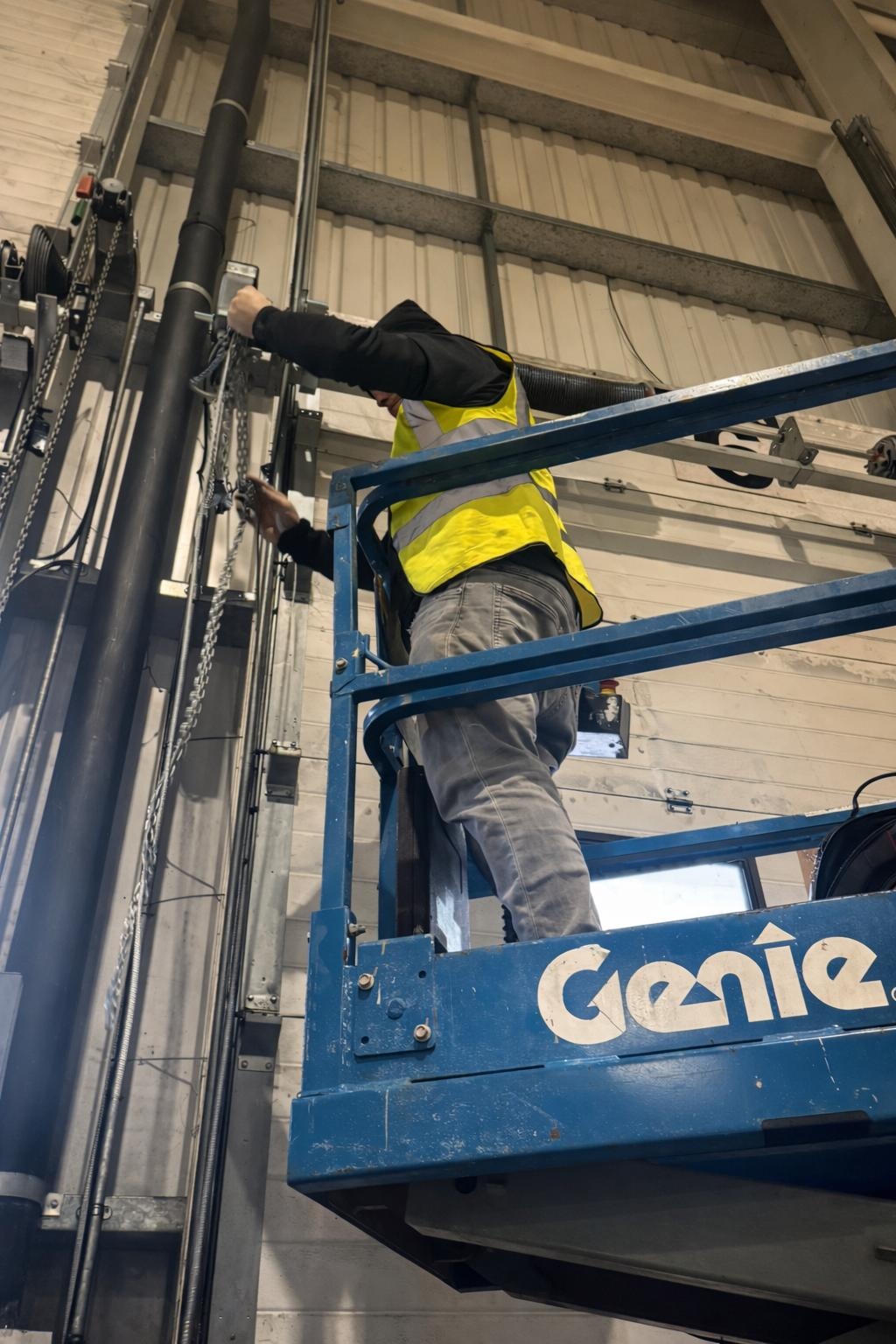
Loading bay equipment
Loading bay equipment,installed and maintainedacross Peterborough & London
Dock shelters, vehicle restraints, bumpers, traffic lights and bay accessories, supplied, fitted and serviced to keep goods, vehicles and staff moving safely. Free survey, honest advice, no pricing quoted blind.
- 12-month warranty on installs and repairs
- £10m public & employers liability
- SafeContractor & ADSA
7 years
Trading as Argents Installations Ltd
60+ years
Combined engineer trade experience
12 months
Warranty on all installations and repairs
£10m
Public & employers liability insurance
The service
The equipment that makes a loading bay actually work
A loading bay is more than a dock leveller and a door. It's a system: the shelter or canopy that seals the gap between vehicle and building, the wheel guides and restraints that hold a trailer safely in place, the bumpers that protect the building fabric from repeated vehicle impact, and the lighting and traffic control systems that keep drivers, forklift operators and warehouse staff working safely around each other. We supply, install and maintain the full range of loading bay equipment, working alongside our sectional door and dock leveller installations or as a standalone upgrade to an existing bay.
Most of the loading bay failures and safety incidents we're called out to deal with don't come from the leveller or the door itself; they come from the accessories around them being missing, worn or never fitted properly in the first place. A vehicle restraint that doesn't engage properly, a dock shelter that's torn and letting weather and pests into the building, or bay lighting that hasn't worked in months, are the kind of everyday problems that quietly increase risk on site until something goes wrong.
As a small, family-run team with over 60 years of combined trade experience, we approach loading bay equipment the way we approach every other product we install: with a proper site survey first, an honest recommendation, and installation carried out by CSCS-carded engineers who understand how the whole bay needs to function together, not just the individual part being fitted. We can provide RAMS and method statements on request for sites with their own safety procedures.
Every enquiry starts with a free survey of the bay in question, whether that's a single restraint replacement, a full shelter upgrade, or specifying the accessories for a brand new loading bay as part of a larger build. We look at vehicle types using the bay, traffic patterns, existing equipment condition, and any safety incidents or near-misses that have driven the enquiry, before we recommend anything.
Distribution & logistics sites
High-frequency loading bays where restraints, shelters and traffic control need to withstand constant use and keep vehicle turnaround safe and efficient.
Retail & food distribution
Bays where dock shelters and draught seals matter for temperature control and pest exclusion as much as for weatherproofing.
Manufacturing & industrial units
Loading bays handling a mix of vehicle sizes and load types, where flexible restraint and guidance systems reduce vehicle and building damage.
What it costs to leave it
What worn or missing loading bay equipment actually costs you
Loading bay equipment gets overlooked because it isn't the headline item, but a torn shelter, a faulty restraint or absent lighting turns a routine loading operation into a safety and cost problem, often without anyone flagging it until an incident happens.
Vehicle and building damage
Without functioning bumpers and guides, reversing vehicles repeatedly strike the building structure, causing expensive structural damage over time.
Safety incidents
A vehicle restraint that fails to engage, or that a driver moves off before disengaging, is one of the most common causes of serious loading bay accidents.
Product and stock loss
Torn or missing dock shelters let weather, dust, pests and temperature fluctuation into the building, directly affecting stock quality in food, pharma and general storage settings.
Mistakes we get called out to fix
- Leaving a damaged dock shelter unrepaired because the leveller still works
- Using a bay without a functioning vehicle restraint or wheel chock system
- Ignoring worn or missing bumpers until a vehicle strike causes structural damage
- Leaving faulty traffic light or communication systems in place between driver and warehouse staff
- Not upgrading bay lighting after hours or in poor weather
- Assuming loading bay accessories don't need the same maintenance as the leveller or door
Our process
How we handle a loading bay equipment project
Step 1
Free site survey
We assess the bay, the vehicles using it, existing equipment condition and any safety concerns, and talk through what's actually needed before quoting.
Step 2
Specification & quote
We recommend the right combination of shelters, restraints, bumpers, guides and lighting for the bay and provide a clear written quote.
Step 3
Installation
Our CSCS-carded engineers install the equipment, working around live site operations wherever possible to minimise disruption to loading schedules.
Step 4
Testing & handover
Every restraint, sensor and control is tested before handover, with staff shown how to use and check the equipment day to day.
Step 5
Warranty & maintenance
Installations and repairs carry our 12-month warranty, and we offer planned maintenance contracts to keep loading bay equipment reliable long term.
What you get
What you get from Argents on loading bay equipment
Free, no-obligation survey
A proper assessment of the bay and how it's actually used, before anything is quoted.
12-month warranty
All installations and repairs are covered for twelve months as standard.
£10m insurance cover
£10,000,000 public liability and £10,000,000 employers liability on every job.
Accredited engineers
SafeContractor, ADSA, Gate Safe and IPAF accreditation, with CSCS card holding engineers.
Whole-bay thinking
We look at the leveller, door and accessories together rather than treating each part in isolation.
Planned maintenance available
Ongoing servicing to catch worn restraints, shelters and lighting before they become a safety issue.
In detail
Loading bay equipment in detail
Loading bay equipment covers a range of products working together, and the details below explain what each part does, how it's specified, and where commercial requirements differ site to site.
Dock shelters and seals
Dock shelters seal the gap between the building and a parked vehicle, keeping weather, dust and pests out while goods are loaded or unloaded. Options range from foam-pad shelters, which compress against the vehicle body, through to inflatable shelters that offer a tighter seal for temperature-sensitive or hygiene-critical operations.
The right choice depends on the range of vehicle sizes using the bay and how important temperature and contamination control are to the operation. A shelter that's too small or the wrong type for the vehicle mix ends up torn and ineffective within months, which is one of the most common issues we're called out to fix.
Vehicle restraints and wheel guides
A vehicle restraint locks onto the trailer's rear impact guard or chassis to prevent it pulling away from the bay during loading, a critical safety device, since a trailer separating from the bay while a forklift is inside it is one of the most severe loading bay accidents that can happen. Restraints range from manual hook systems through to automatic and interlocked systems that prevent the dock leveller operating until the restraint is engaged.
Wheel guides and chocks provide a secondary or, in some cases, primary method of keeping a vehicle correctly positioned and stationary. We specify restraint systems based on the vehicle types using the bay and the level of automation and interlocking the site wants between restraint, leveller and door.
Bumpers, guides and building protection
Dock bumpers absorb the impact of a reversing vehicle and protect both the vehicle and the building structure from repeated contact damage. They wear over time through compression and impact, and a worn or missing bumper is a common cause of structural damage to the bay itself, which is a far more expensive repair than replacing the bumper would have been.
Approach guides and bollards help direct vehicles into the bay accurately, reducing the frequency and severity of impacts in the first place, particularly useful on tighter yards or where multiple bays sit close together.
Traffic lights, communication and lighting
Internal and external traffic light systems coordinate vehicle and warehouse staff movement around the bay, typically linked to the dock leveller or restraint status so a green light only shows when it's genuinely safe to proceed. These systems reduce the reliance on shouted communication or assumption, particularly on busy multi-bay sites.
Dock and canopy lighting matters more than it's often given credit for: poor lighting around a loading bay increases the risk of slips, trips and vehicle misjudgement, especially during early morning, evening or winter operations. We can upgrade lighting as part of a wider bay refurbishment or as a standalone fix.
Servicing, maintenance and site-specific requirements
Loading bay equipment sees constant mechanical wear and weather exposure, and like dock levellers and doors it benefits from regular servicing rather than being left until something fails. We offer planned maintenance contracts covering the full range of bay equipment alongside the doors and levellers themselves.
Requirements vary considerably between sectors: food and pharma sites often prioritise sealing and hygiene, general logistics prioritises throughput and vehicle turnaround, and manufacturing sites often need heavier-duty restraint and bumper systems to cope with larger vehicles. We specify to the actual operation rather than a generic template.
Common questions
Loading Bay Equipment: your questions answered
Anything not covered here, ask us directly; you'll speak to someone who knows the job, not a script.
08000 141 911How much does loading bay equipment cost to install?
It depends on which equipment is needed and the scale of the bay, so we don't quote pricing blind. Every enquiry starts with a free site survey followed by a clear written quote.
Can you upgrade an existing loading bay without replacing everything?
Yes, in most cases we can replace or add individual items such as a shelter, restraint or bumper without disturbing the rest of the bay, following a survey to confirm compatibility.
How long does installation take?
A single item such as a restraint or bumper can often be fitted in a day. Larger projects covering multiple bays or a full accessory upgrade take longer, and we confirm timescales after survey.
Do you service loading bay equipment installed by someone else?
Yes, we work across all brands and are happy to survey, service or repair loading bay equipment regardless of who originally installed it.
What warranty applies to loading bay equipment?
All our installations and repairs carry a 12-month warranty as standard.
How long does loading bay equipment last?
Lifespan depends on the item, vehicle traffic and weather exposure, but shelters, restraints and bumpers all wear with use. Regular maintenance extends service life significantly, which is why we recommend a planned maintenance contract.
Can you attend urgently if a restraint or shelter fails?
We have an out-of-hours phone arrangement for urgent situations. Contact us and we'll do what we can to help as soon as possible.
Do you cover London and Peterborough for loading bay equipment?
Yes, alongside Cambridgeshire, Bedford, Leicester, Milton Keynes, Northampton, Hemel Hempstead and Watford, and we work nationwide.
Can loading bay equipment be included in a planned maintenance contract?
Yes, we offer planned maintenance contracts covering loading bay equipment alongside doors and dock levellers, so wear is identified before it causes a failure.
Are you accredited to work on site?
Yes. We hold SafeContractor, ADSA, Gate Safe and IPAF accreditation, our engineers hold CSCS cards, and RAMS and method statements are available on request.
Related services
Often needed alongside loading bay equipment
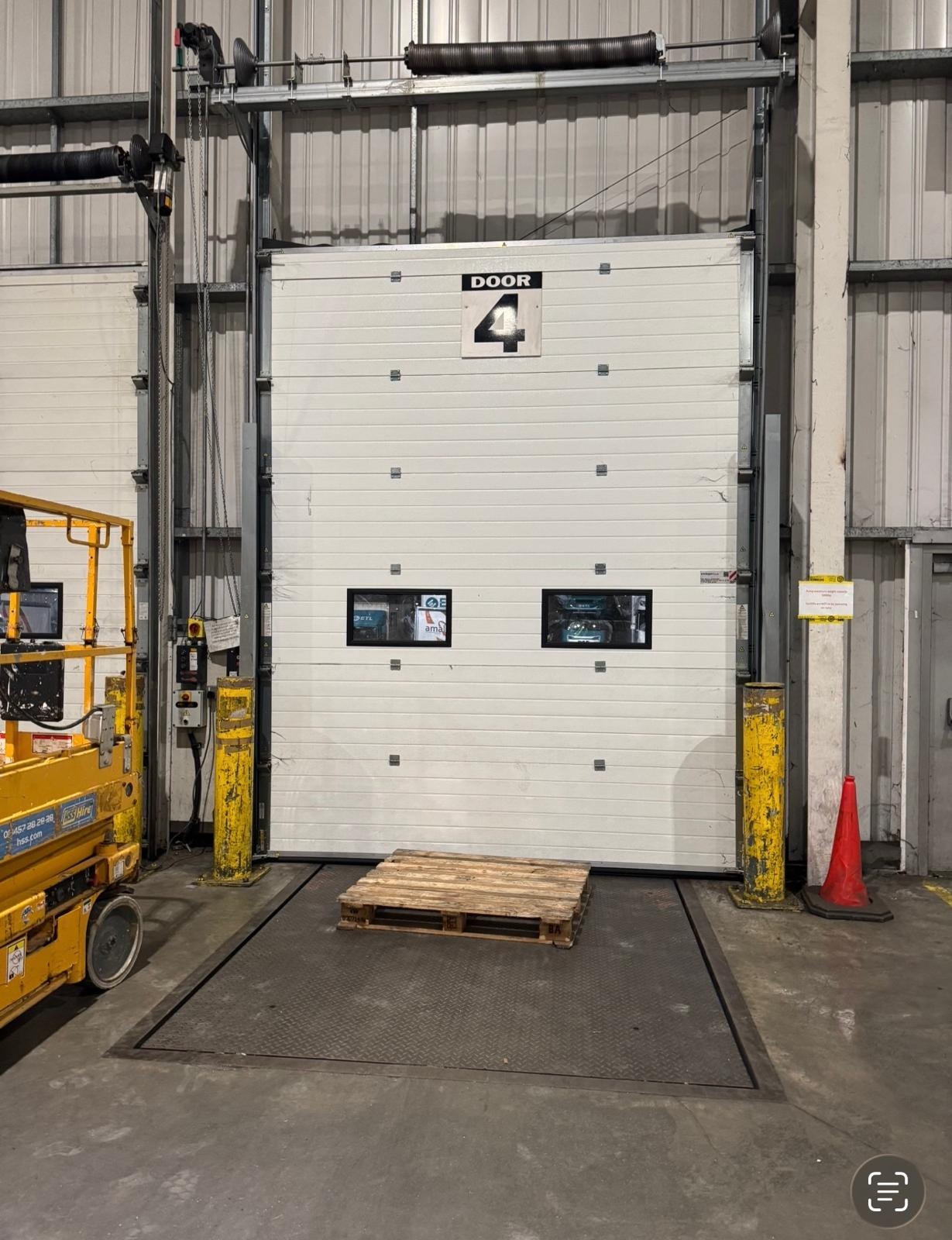
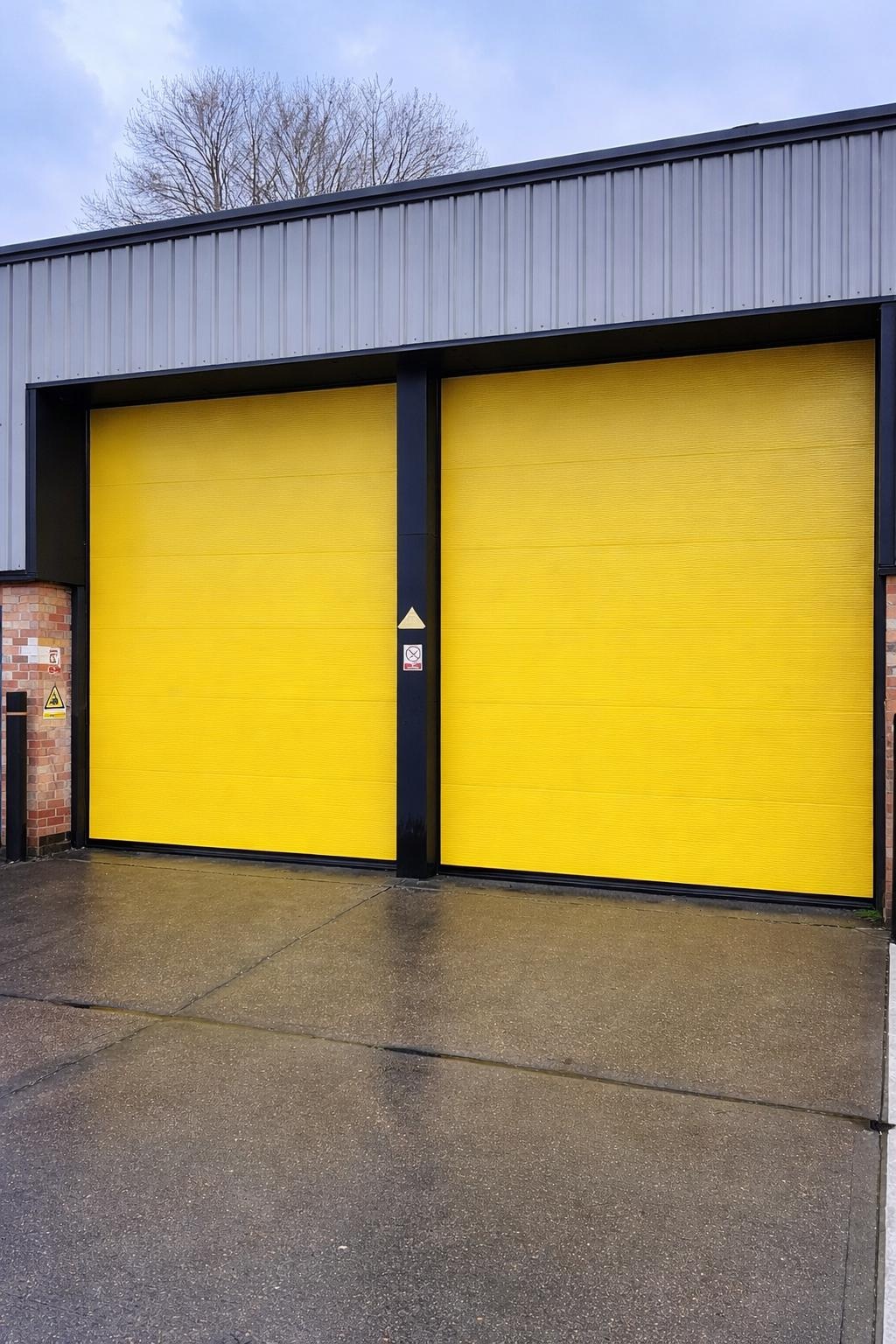
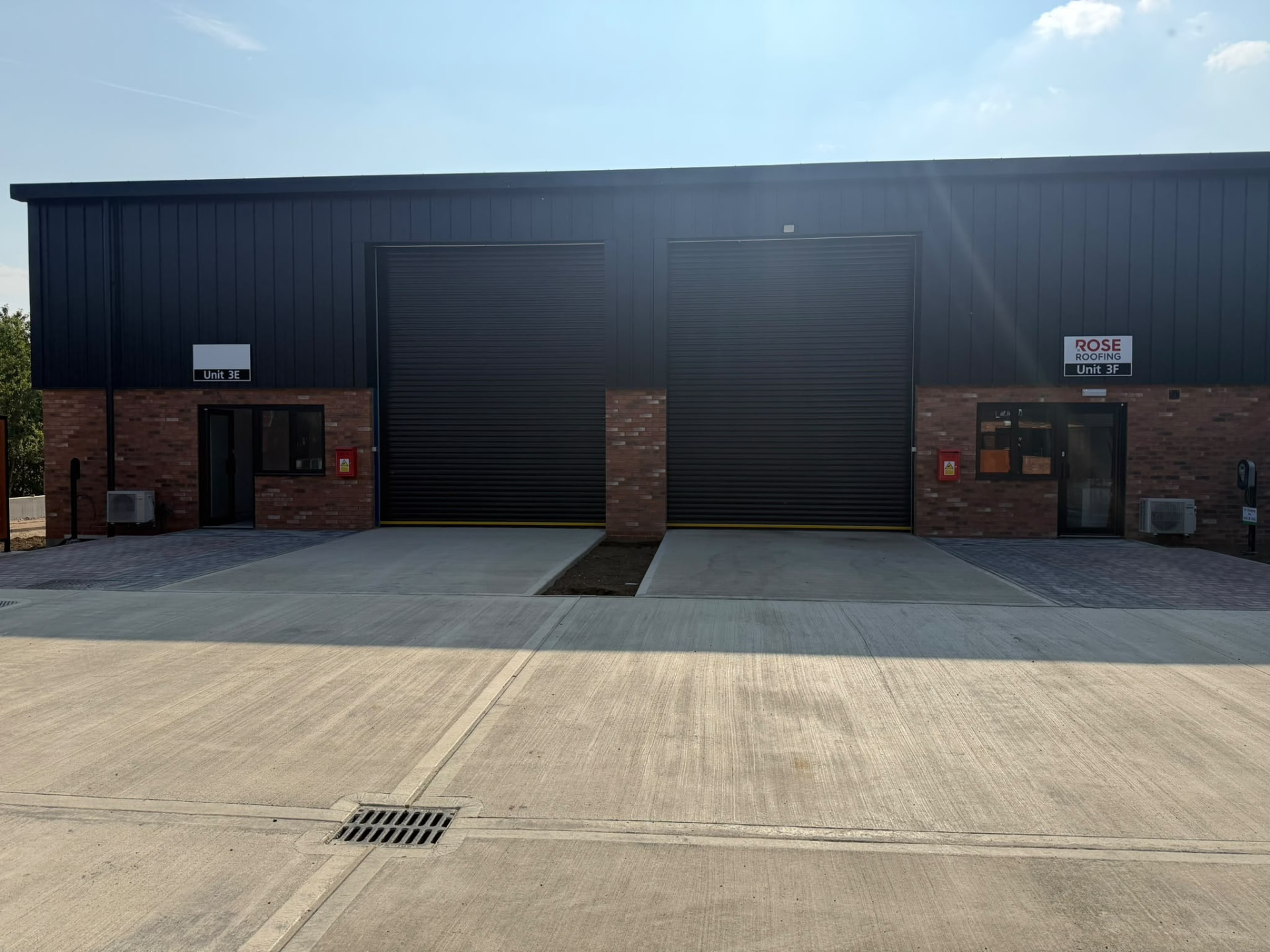
Where we work
Loading Bay Equipment across our regular patch
- Loading Bay Equipment in Peterborough
- Loading Bay Equipment in London
- Loading Bay Equipment in Milton Keynes
Based in Peterborough and London, working nationwide; location is never a barrier to getting the right engineer on site.
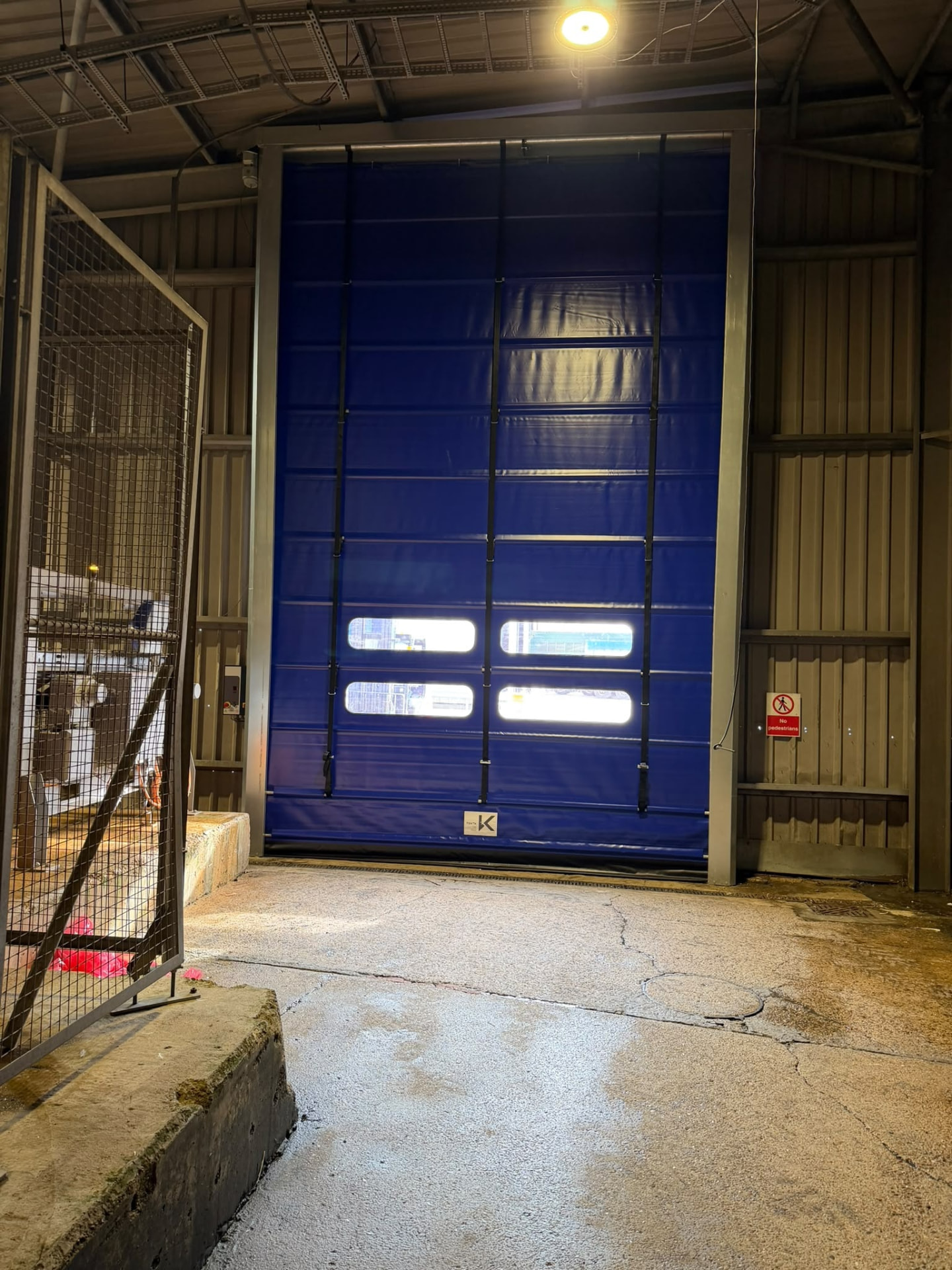
Get a free loading bay equipment survey
Whether it's a single restraint or a full bay upgrade, get in touch for a free site survey and a straight recommendation, not a guessed price.
- Free survey and quote
- 12-month warranty
- £10m public & employers liability